
Part 1: Overview of Behavioral Science and Behavioral Analysis in Phase 1 of the BlueDragon Framework

In high-risk industries, understanding why people behave as they do is crucial for preventing accidents. Behavioral science encompasses psychology, human factors engineering, organizational behavior, and related fields that study human performance. Traditional root cause analysis often focused on technical failures or procedural violations, but modern approaches like BlueDragon Integrated Problem Solving (IPS) emphasize that human and organizational factors are equally important. BlueDragon’s Phase 1 (Data Analysis) specifically looks at behavioral symptoms – non-conformances, non-compliance, at-risk behaviors, and error-likely situations – as the starting point for investigation. Behavioral science provides the frameworks and methods to analyze these human performance issues in a systematic, evidence-based way.
One foundational concept in behavioral safety is that human error is normal and predictable in complex systems. James Reason, in Managing the Risks of Organizational Accidents, famously proposed the “Swiss cheese” model: accidents occur when multiple layers of defense have latent holes that align, allowing errors to lead to harm. Rather than blaming one operator, Reason showed that organizational latent conditions (poor design, inadequate training, safety culture weaknesses) create the context for errors. BlueDragon explicitly builds on these ideas – its analyses distinguish between active failures (e.g. a worker’s slip or rule violation) and latent organizational factors that allowed the failure to occur. By mapping out error-likely situations in the work environment and weak defenses, investigators can trace issues to deeper causes. This comprehensive view reflects Reason’s influence: BlueDragon’s “Torch Dragon” persona even carries the wisdom of sages like Reason and Weick to shine light on human error and resilience. In practice, this means during Phase 1, BlueDragon teams gather evidence on why a procedure wasn’t followed or why an individual was “set up to fail,” not just that a mistake happened.
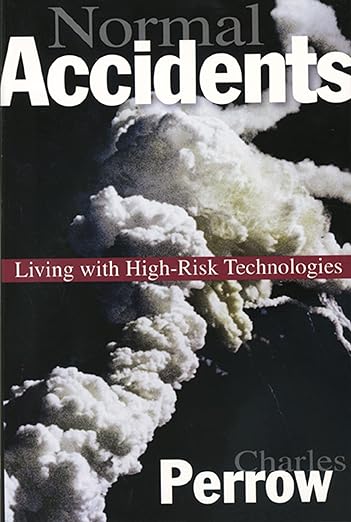
The work of Charles Perrow on Normal Accidents further underscores the importance of system complexity in human performance. Perrow observed that in tightly coupled, complex systems (like nuclear plants or aerospace operations), accidents can be “normal” – not in the sense of trivial, but inevitable over time, because of unpredictable interactions. A small human error in such a system can escalate in unexpected ways. BlueDragon addresses this by applying systems theory and critical thinking in Phase 1. Investigators map out how multiple factors (people, technology, processes, environment) interacted to produce the incident. This approach aligns with Perrow’s view that we must examine systemic interactions rather than isolated linear causes. For example, instead of simply noting “operator pressed wrong button,” a BlueDragon inquiry might reveal that the interface was confusing (design flaw), training was insufficient, and the operation was under time pressure – a combination of factors creating an error-likely situation. By recognizing that accidents in complex systems often have systemic roots, BlueDragon’s Phase 1 prevents oversimplified analyses. As Perrow’s theory suggests, some accidents stem from complexity itself, so investigators must be alert to unexpected interactions and not just individual mistakes.

Karl Weick and Kathleen Sutcliffe’s work on Managing the Unexpected contributes the concept of High Reliability Organization (HRO) principles, which BlueDragon integrates into its investigative ethos. HROs are organizations (like aircraft carriers or nuclear plants) that have exceptionally low accident rates despite hazardous work. They achieve this through a mindful culture that is intensely wary of complacency. One key HRO principle is preoccupation with failure – an ongoing concern that small errors or deviations could signal bigger problems. Rather than being lulled by periods of success, HROs constantly look for and address weak signals of potential failure. In BlueDragon Phase 1, this translates to actively seeking out near-misses, prior non-conformances, and small “anomalies” in performance data that might otherwise be ignored. As Weick notes, the absence of errors is not proof of safety – it may breed complacency if people assume “all is well”. BlueDragon investigators are trained to avoid that trap. They examine historical hints: Was this violation happening before without incident? Were there unheeded warnings? In fact, BlueDragon’s human performance analysis explicitly looks for “normalization of deviance”, the gradual acceptance of rule-bending when nothing bad happens (a concept we will explore in Part 2). By doing so, BlueDragon embodies Weick and Sutcliffe’s call for collective mindfulness – it encourages organizations to treat small failures or deviations as opportunities to learn, rather than signs to gloss over. This approach in Phase 1 helps identify cultural factors (e.g. a “get it done” attitude that overlooks safety) and context that drive at-risk behaviors.
Another HRO principle is reluctance to simplify. Human behavior in complex environments often defies simple explanations, so investigators must resist jumping to conclusions (“operator error” is never the end of the story). BlueDragon’s method formalizes this by requiring evidence-based inquiry questions before any cause analysis. In Phase 1, teams generate dozens of focused questions derived from the data – e.g. “Why was the maintenance check skipped? What conditions allowed that?” – and gather factual answers. This rigorous questioning process guards against cognitive biases like hindsight bias (“we should have seen it”) or confirmation bias (only seeking evidence to fit an early theory). The emphasis on critical thinking in BlueDragon (influenced by both HRO thinking and modern cognitive science) ensures that multiple hypotheses are considered. By the end of Phase 1, investigators have a breadth of evidence and lines of inquiry that set the stage for deeper causal analysis in Phase 2. Essentially, Phase 1 builds a comprehensive story of “what happened and why” at the behavioral level, without rushing to blame. This reflects the mantra from HOP (Human and Organizational Performance) science that blame fixes nothing – instead, understanding context is key.
Methods for analyzing human performance in Phase 1 draw on several disciplines. From human factors engineering, BlueDragon uses techniques like task analysis and change analysis to see how people interact with technology and processes. For example, a timeline of events is created, and human actions are overlaid to identify where things started to go wrong. BlueDragon also utilizes concepts from the Human Factors Analysis and Classification System (HFACS) (which itself is based on Reason’s model) to ensure no contributing factor is overlooked. HFACS provides a taxonomy (unsafe acts, preconditions like fatigue or poor communication, supervisory factors, organizational influences), which can guide investigators in checking each layer. However, BlueDragon goes further than simply coding errors – it seeks to explain them. A traditional investigation might note “procedure not followed” and classify it as a human error, whereas BlueDragon will dig into why – Was the procedure poorly written or hard to access? Was the worker fatigued? Was there a cultural norm of cutting corners under schedule pressure? All these questions are grounded in behavioral science research: e.g., we know fatigue degrades attention and increases error rates (psychology), time pressure can force risk-taking (decision science), and group norms can override individual judgment (social psychology). BlueDragon’s training and tools incorporate these insights so investigators can recognize the telltale signs of such influences in the evidence.
Another important aspect is safety culture assessment. The behaviors seen (non-compliance, unsafe acts) are often symptoms of the underlying safety culture. An organization with a strong, positive safety culture encourages reporting errors and near-misses, and workers feel responsible for safety; a weak culture may encourage silence or taking shortcuts to meet targets. Phase 1 might include reviewing prior incident reports, conducting interviews or surveys, and reading between the lines of how people describe the work. For instance, if multiple interviewees hint that “we often have to improvise to get the job done”, it signals a culture issue or process problem, not just “bad behavior.” Military mishap investigations have noted that cultural factors like a “can-do” attitude or deference to authority contribute to accidents. BlueDragon’s comprehensive approach captures these factors. In fact, a BlueDragon white paper on recurring Navy mishaps pointed out that traditional investigations often “stop at a superficial level – diagnosing immediate symptoms rather than curing the disease”. Phase 1 of BlueDragon is designed to avoid that pitfall by capturing the human and organizational context in detail. If an error occurred because, say, “the sailor was working 80 hours that week”, that fact will be documented and pursued as a causal factor (organizational staffing issue).
In summary, Phase 1 of the BlueDragon framework leverages behavioral science to identify and understand the human performance issues at the heart of an incident. Drawing on Reason’s models, Perrow’s systems view, and Weick’s HRO principles, BlueDragon treats at-risk behaviors and error-likely situations as vital clues, not just “human error” to be noted. It employs a variety of methods – evidence-based questioning, human factors analysis, bias mitigation techniques, and cultural assessment – to build a rich picture of why the behavior or error made sense in context. This sets the stage for Phase 2 (causal analysis) to drill down to root causes with confidence that the team isn’t missing a key human element. As Karl Weick put it, “learning is the key to improving,” and BlueDragon’s investigative process is essentially a learning journey about human behavior in complex systems. By the end of Phase 1, the organization gains insight into the behavioral symptoms – insight that is grounded in science and evidence, enabling more effective solutions to prevent recurrence.
Part 2: Ten Modern Behavioral Science Concepts Explaining At-Risk Behaviors and Error Likely Situations
In this section, we delve into ten key concepts from contemporary behavioral science that shed light on why humans take risks (“at-risk behaviors”) and why they make mistakes in complex, high-consequence environments. Each concept is analyzed with relevance to BlueDragon Phase 1 investigations, meaning we focus on how investigators can recognize and interpret these human factors when they identify behavioral symptoms (non-compliance, errors, unsafe acts, etc.). The concepts span psychology, human factors, safety science, and decision-making research, illustrating the multifaceted reasons behind human performance issues in industries like energy, aerospace, defense, and nuclear operations. For each concept, we provide an analysis and an original illustration to visualize the idea in context.
1. Normalization of Deviance (Gradual Risk Acceptance)

One of the most influential concepts for explaining at-risk behavior is Normalization of Deviance, a term coined by sociologist Diane Vaughan during her analysis of NASA’s Challenger disaster. This concept describes how a clearly unsafe practice can slowly become acceptable within a group or organization if it doesn’t immediately result in catastrophe. In essence, people and teams become desensitized to deviance. Each time they break a rule or take a shortcut and nothing bad happens, it reinforces the belief that the deviation is benign. Over time, the abnormal becomes “normal”. Vaughan noted in the Challenger case that NASA engineers had grown accustomed to O-ring problems; each successful launch with O-ring damage made it seem more acceptable to launch again under the same conditions. The tragedy was the outcome of this cultural drift, where warning signs were misinterpreted or ignored because they hadn’t yet led to disaster.
In high-consequence industries, normalization of deviance is perilous. For example, in nuclear power operations, there might be a strict procedure for equipment calibration. If technicians start skipping a step to save time and nothing goes wrong initially, they may begin to view that step as unnecessarily cautious. The first few deviations are often rationalized – “We’re behind schedule and it’s always fine,” or “We’ve never had an issue doing it this way.” As these at-risk behaviors continue without immediate consequence, a false sense of security develops. People involved will adamantly defend their actions as necessary and justified, as Vaughan observed, because in their experience the shortcuts “work” and meet goals like saving time or cost. This human tendency to learn from experience – even when the lessons are misleading – underlies normalization of deviance. Essentially, absence of failure is taken as evidence of safety, which is a flawed inference.
Behavioral science explains this through reinforcement and cognitive bias. Positive reinforcement occurs when a risky action yields a reward (e.g. task completed faster) without negative outcome, encouraging repetition of that action. Psychologically, there’s also an optimism bias at play: the belief that because nothing bad happened last time, it likely won’t happen the next time. Group dynamics contribute too – if peers and leaders tacitly approve the deviations (perhaps due to production pressures), a group norm forms that permits unsafe practices. Over time, people forget the original rationale for the rules or vastly underestimate the risk of breaking them. Vaughan described it as people becoming “so insensitive to deviant practice that it no longer feels wrong”. This insidious process often only stops when a catastrophic event or a near-miss forces a brutal wake-up call.
In BlueDragon Phase 1 investigations, recognizing normalization of deviance is critical when analyzing non-compliance patterns. Investigators look for evidence that what was once considered a violation or exception has become routine. This might appear in interviews (e.g. “Yeah, we sometimes bypass that alarm – it goes off so often we think it’s a false alarm”), in documents (multiple instances of the same procedural step being skipped), or in culture assessments. BlueDragon explicitly trains practitioners to identify repeated at-risk behaviors that were previously tolerated. By charting how many times a deviation occurred with no consequence, they can highlight a dangerous trend. For example, a Phase 1 analysis might uncover that operators have increasingly raised the allowed pressure limit on a system over months to avoid shutdowns, each time without incident – until one day, a combination of high pressure and another factor lead to an explosion. The investigation would trace this drift into failure, documenting how management and staff gradually accepted higher risk levels (a textbook case of normalization of deviance).
Citing Vaughan’s work, BlueDragon practitioners understand that the lack of early catastrophes is precisely what enables the deviance to normalize. Therefore, they pay special attention to precursor incidents and near-misses. If Phase 1 reveals a history of ignored warnings or “precursor conditions” that were not addressed because nothing bad happened yet, that is a red flag. A military white paper on recurring mishaps observed that often a “trail of ignored warnings” is only discovered after a major mishap, highlighting the need to investigate precursors proactively. BlueDragon’s proactive stance is to treat significant near-misses as opportunities for root cause analysis before disaster strikes.
In sum, normalization of deviance explains why experienced, well-intentioned professionals might routinely take unsafe actions: they become normalized to the risk through repeated successful outcomes. It is a powerful concept that Phase 1 investigators use to interpret patterns of non-compliance. By identifying this dynamic, they can shift the organization’s perspective from “we got away with it before” to “we have been lucky so far – we need to fix this before our luck runs out.” The corrective actions then aim to de-normalize the deviance: re-establish what the proper standards are, perhaps through re-training, leadership emphasis on safety over short-term results, or changes in oversight. Importantly, uncovering normalized deviance also points to cultural and management issues that allowed it – addressing those is key to prevention. As one NASA safety message put it, “Normalization of deviance and groupthink” often go hand in hand, meaning that leaders must encourage a culture where raising concerns is valued more than sticking to a comfortable but risky status quo. BlueDragon Phase 1 lays the groundwork for this by revealing where those blind spots have formed.
2. Complacency and Overconfidence (Lack of Chronic Unease)

When humans operate in a hazardous environment but don’t see negative outcomes for a long time, they tend to let their guard down. This state of reduced vigilance is commonly known as complacency. In safety-critical industries, complacency is often described as the enemy of safety because it leads to at-risk behaviors born not out of malice or even conscious choice, but out of the assumption that “everything is fine” based on past success. Overconfidence is a related cognitive state where individuals overestimate their understanding or control of a situation. Both complacency and overconfidence result in diminished situational awareness and failure to anticipate problems. As the saying goes in aviation, “the most dangerous time is when you think there is no danger.”
Behavioral science research on high reliability organizations (HROs) emphasizes maintaining a “chronic sense of unease” despite long periods of error-free operation. Weick and Sutcliffe note that HROs are preoccupied with failure – they treat even small anomalies as hints of something potentially bigger. This mindset is deliberately cultivated to combat the natural human tendency towards complacency. In contrast, when an organization lacks this mindset, the absence of incidents leads to a false sense of security. People start skipping safety checks, foregoing redundant verifications, or ignoring minor alarms because “nothing ever goes wrong here.” Essentially, success breeds confidence, and confidence unexamined can become overconfidence.
Overconfidence bias is well-documented in psychology – individuals often believe they are less likely to make mistakes than others and have more control than they actually do. For instance, after many flawless reactor startups, a nuclear plant operator might become overconfident in their skill and start to shortcut certain procedural steps, believing their “intuition” is enough. Or a maintenance crew might become so used to routine tasks that they complacently stop using checklists, thinking they remember everything (until an error shows they did not). Complacency is also fueled by habituation: when people are repeatedly exposed to a stable, unchanging environment, their level of alertness naturally drops. The first time you drive a new, complex route, you’re on high alert; the hundredth time, you might be on “autopilot,” perhaps even distracted. In industrial settings, workers can become desensitized to hazards – the loud machinery, the presence of toxic materials – because those dangers have never personally harmed them. The cognitive system dials down the perceived threat level, reallocating attention elsewhere.
The consequences of complacency are often seen in accident investigations. Take the example of an airline crew who, after a long uneventful cruise, might fail to notice a subtle change in instrument readings, leading to a controlled flight into terrain. Or a security team at a power plant that grows lax in badge checks after years without a security incident – until one day an unauthorized person gains entry. In space flight, NASA’s Columbia accident in 2003 was partly attributed to a sense of “routine” with Shuttle flights and overconfidence that foam strikes were harmless, given previous flights survived them; essentially, success had bred complacency in hazard assessment.
Within BlueDragon Phase 1, investigators are alert to signs of complacency as a contributing factor to error-likely situations. One way this appears is through language in interviews or documents. If people say things like “We’ve done this a thousand times, we didn’t expect anything to happen,” or “It’s always been fine, so we stopped worrying about it,” those are indicators of complacency. Phase 1 might uncover, for example, that a team stopped conducting pre-job briefings because operations had been smooth for months – an at-risk practice stemming from overconfidence. Or that inspections were done perfunctorily because “nothing ever turns up.” These behaviors often precede an event, and identifying them helps explain why defenses were weak. BlueDragon’s training (and HRO influence) encourages investigators to consider what should have been noticed or done and whether people had become too comfortable to do it. In one case at a national lab, a scientist worked on live electrical equipment and got a shock; the BlueDragon team found that working live had become normal due to complacent assumptions about the equipment’s safety, and a culture where past success in “beating the odds” led to overconfidence.
Detection of complacency can also be quantitative. Phase 1 data analysis may reveal declining frequency of safety audits, or that emergency drills had been neglected – often a sign that the organization believed its risk was low. Additionally, investigators use operational data: for instance, tracking how long since the last significant incident. Ironically, the longer the period of smooth operation, the more cautious one must be – a paradox that complacency blinds us to. This is aligned with the concept of the “inverse gamble” fallacy: the mistaken belief that a long streak of safety guarantees continued safety. In truth, probabilities don’t have memory, and an organization that hasn’t faced a problem in a long time may just be accumulating hidden issues.
BlueDragon Phase 1 seeks to break that false sense of security by highlighting complacency as a root contributor. A telling example is in the military aviation domain: the U.S. Air Force, after experiencing low mishap rates, saw a spike in 2018; a review found that high ops tempo and fewer resources led crews to “make do,” and eroded proficiency and vigilance. Essentially, a period of relative safety followed by resource strains had lulled some into complacency until a cluster of accidents occurred. BlueDragon reports cite such latent safety culture issues, emphasizing the need for “chronic unease” even in times of apparent success.
In practice, when Phase 1 identifies complacency, it often correlates with inadequate hazard recognition and missed opportunities to prevent the incident. The output of Phase 1 will note something like: “The team exhibited signs of complacency – e.g., alarms were often ignored as nuisance; maintenance backlogs were not addressed because recent performance was good.” This finding directs the eventual root cause analysis to delve into why vigilance was lost – perhaps a leadership message overly emphasizing production, or lack of a recent scare to keep people alert, or insufficient training on worst-case scenarios. It may also lead to recommendations such as reintroducing regular safety meetings where near misses are discussed to keep risk awareness sharp.
To counter complacency, some organizations intentionally adopt practices like “pre-mortems” (imagine something went wrong and figure out how it could happen) or rotate tasks to avoid monotony. BlueDragon’s holistic approach, inspired by HRO principles, means Phase 1 doesn’t treat a long accident-free run as a non-factor – instead, it scrutinizes whether that very run contributed to a lowered guard.
In summary, complacency and overconfidence are stealthy contributors to human error – they operate silently in the background as safety records improve, undermining the very vigilance that maintained those records. By explicitly calling these out in Phase 1 (with evidence such as reduced safety measures, quotes attesting to false security, etc.), BlueDragon ensures that corrective actions will include restoring a healthy sense of vulnerability. As one HRO expert summarized, “guarding against complacency and hubris” is vital – which is why the best organizations treat every day as if it could be the day something goes wrong. BlueDragon investigations help instill that mindset by showing where complacency set in and how it led to the incident, turning a painful lesson into a drive for renewed vigilance.
3. Loss of Situational Awareness (Attention and Perception Failures)
 Many human errors can be traced to a breakdown in situational awareness (SA) – essentially, not perceiving or understanding what is happening in time to act appropriately. Situational awareness is “the perception of elements in the environment, comprehension of their meaning, and projection of their status in the near future”. In simpler terms, it’s knowing what’s going on around you and what might happen next. Loss of situational awareness typically means a person or team has become fixated on one thing (tunnel vision), or overloaded, or otherwise distracted, so they miss critical cues. This concept is crucial in explaining why trained individuals make mistakes: often, it’s not lack of knowledge, but failure to notice or correctly interpret something in the moment.
Research shows that inadequate situational awareness is a primary causal factor in a high proportion of accidents attributed to human error. For example, in aviation, a pilot might get so focused on troubleshooting a malfunction that they don’t realize the plane is descending (classic case: Eastern Air Lines Flight 401, where crew fixation on a landing gear light led to unmonitored descent into terrain). In healthcare, a surgeon might be concentrating on one problem and not see a patient’s vital signs deteriorating. In nuclear power, an operator might be overwhelmed by alarms (“alarm flood”) and fail to notice the one alarm that signals a real emergency, or might be focused on following procedure steps and not realize the reactor state has changed. These are all instances of attention tunneling or loss of the “big picture.”
Key factors that degrade situational awareness include stress, fatigue, and multitasking demands (covered elsewhere as well), but also the design of interfaces and the organization of information. If a control room presents data in a confusing way, or if critical information is siloed, it’s easier for an operator to miss something. Humans have limited cognitive bandwidth; we can only track so many elements at once. Endsley’s model of SA suggests that one must first perceive relevant information, then comprehend it, then anticipate future status. An error can occur at any of those stages: not seeing a gauge reading (perception), not understanding its significance (comprehension), or not projecting what will happen if conditions continue (projection).
Attentional blindness is another psychological concept: we can be blind to obvious things if our attention is elsewhere (the famous example being the “invisible gorilla” experiment where people focusing on a task fail to see a person in a gorilla suit in plain view). In industrial accidents, there are cases where operators didn’t see a large red alarm or missed a step flashing on screen because their attention was captured by something else.
From a behavioral standpoint, situational awareness lapses can also result from information overload. In complex systems (like a fighter jet cockpit or a power grid control center), there may be dozens of simultaneous inputs. People might cope by focusing on what they think is most important – which could be wrong if the situation has changed. Cognitive biases like confirmation bias can worsen this (one might selectively notice information that confirms their current understanding and ignore conflicting signs – more on that in the next concept). Also, expectation plays a role: if nothing bad has ever happened during a certain routine, people may unconsciously downplay anomalies. For example, if a certain gauge always fluctuates within a range, an operator might tune it out, not noticing when it starts drifting out of normal range for real.
In BlueDragon Phase 1 investigations, when an error occurred because someone “didn’t realize” something, loss of situational awareness is a prime suspect. Investigators gather evidence of what the person was attending to versus what they missed. This can involve timeline re-creation: reconstructing the sequence of events to see what stimuli were present and what the person was doing. Phase 1 might find, for instance, that during a maintenance procedure, the technician became focused on a stubborn bolt and failed to notice a co-worker had not locked out the power supply – leading to an electrical shock incident. Interviews might reveal statements like “I was so busy with X, I never saw Y.” Control room logs or recorder data might show that multiple alarms were sounding, creating a cognitive gridlock.
BlueDragon’s human factors approach will consider ergonomics and interface design as well: Was the information accessible? Were alarms distinguishable? In one case study, a lab incident involved a PhD scientist who got shocked because he didn’t verify equipment was de-energized. The BlueDragon analysis uncovered that the safety steps were in place, but the scientist’s situational awareness was compromised by a culture of informal practices and perhaps overconfidence in understanding the system. Essentially, his mental model told him it was safe, so he didn’t actively seek disconfirming evidence (voltage present).
To visualize situational awareness, investigators might draw spatial or process diagrams highlighting where attention was versus where critical cues were. The illustration above shows conceptually how a person’s field of awareness can shrink – what pilots call “tunnel vision.” When writing the Phase 1 report, the team would note if “the crew became fixated on the high temperature reading and did not notice the pressure drop,” or “the operator was monitoring Section A and did not see the warning light in Section B due to its location.” They may cite design issues like line-of-sight obstruction or alarm floods as contributing factors to the loss of SA.
A poignant real-world military example: the collision of USS John McCain (2017) was attributed in part to loss of situational awareness on the bridge during a complex systems operation. Operators became confused by automated systems and lost track of the ship’s heading and nearby traffic. Investigators (using something akin to BlueDragon logic) traced how task saturation and poor display design led to this loss of the big picture.
Phase 1 identification of situational awareness issues is extremely valuable because it points to different kinds of solutions. If human error was due to low SA, the fixes might involve improving training to maintain SA, redesigning interfaces, adjusting crew resource management (team communications to cross-monitor), or implementing automatic alerts that cut through the clutter. It is not enough to say “pay more attention” – Phase 1 evidence helps ensure solutions target the root (e.g., if a worker was distracted due to multitasking, maybe staffing levels or work procedures need to change).
Furthermore, BlueDragon teams consider organizational factors: Was fatigue a factor in diminished attention? Was workload realistically manageable? These factors are closely tied to situational awareness – a fatigued person’s perception and mental processing are impaired (they can literally miss seeing things right in front of them, or react slower). If Phase 1 finds that someone had been working a double shift or was interrupted frequently (breaking their focus), those details are noted as contributors to the SA breakdown.
Importantly, situational awareness is a dynamic, not a static, condition. It can degrade and recover. Elite teams train to continually “refresh” their SA by scanning for changes, sharing information, and questioning their assumptions. In BlueDragon Phase 1, if an incident occurred because the team collectively lost SA, investigators might assess team communication: Was someone aware of a cue but failed to speak up (ties into authority gradient or group dynamics)? Did everyone assume someone else was monitoring the situation? These questions overlap with other concepts like authority gradient and groupthink, showing that behavioral factors often interplay.
In conclusion, loss of situational awareness explains many human errors as lapses in attention and perception rather than conscious bad decisions. By identifying SA issues in Phase 1, BlueDragon ensures the investigation goes beyond “operator did not notice X” to why X was not noticed and how the system allowed that. The concept reinforces the need for designing systems and work practices that support human cognition: clear displays, manageable workloads, good communication protocols. It also warns organizations that even skilled personnel can slip into a mental “tunnel”, especially under stress or monotony, with potentially dire consequences. Therefore, maintaining situational awareness should be a continuous goal – one that Phase 1 findings often highlight through the lessons of incidents where SA was lost.
4. Confirmation Bias and Tunnel Vision (Selective Perception of Evidence)
Humans have a natural tendency to see what they expect to see and to favor information that confirms their pre-existing beliefs. This cognitive tendency, known as confirmation bias, plays a significant role in why we make mistakes, especially in complex decision-making environments. When people are operating machinery, troubleshooting a problem, or even investigating an incident, they often form an initial hypothesis or understanding of the situation. Once that mental model is in place, there is a bias to notice and remember details that fit the model, and to discount or not even perceive details that contradict it. In effect, confirmation bias can create a form of tunnel vision, where one’s focus is narrowly channeled to evidence that supports the current narrative.
 In operational contexts, confirmation bias can be dangerous. Consider an astronaut interpreting sensor data: if they strongly suspect a sensor is faulty, they might ignore real indications of a problem, attributing them to the sensor error. Or an engineer might be so convinced that a failure is caused by one factor that they overlook signs of a completely different cause. In the medical field, doctors can fall prey to a diagnosis bias – once they decide on a diagnosis, they may stop looking for other clues, potentially missing a correct diagnosis. Similarly, in a power plant, if an operator assumes a fluctuation is just an instrument glitch (because it has happened before), they might ignore the possibility that it’s a real anomaly this time, thus not responding appropriately.
Confirmation bias is fueled by how our brains handle information: we tend to store and recall confirmatory instances more easily (they match our mental schema), whereas disconfirmatory evidence often requires more cognitive effort to integrate, or it gets dismissed as noise or anomaly. There’s also an emotional comfort in feeling “right,” whereas noticing contradictory information creates cognitive dissonance – an uncomfortable state – which we subconsciously try to avoid. As a result, people might double down on an initial assumption even as evidence mounts against it, only realizing the mistake when it’s too late.
A classic example in aviation safety is planning continuation bias (get-there-itis): pilots might continue an approach to landing despite evidence of worsening weather or low fuel, because they’ve committed mentally to the plan of landing at that airport. They interpret data (or even choose what data to pay attention to) in a way that supports pressing on. Many approach-and-landing accidents have this element of confirmation/continuation bias – e.g., misidentifying runway lights, ignoring alarms, because the crew’s mental model is “we are landing successfully.” The SKYbrary definition of confirmation bias notes that once a mental model is formed, potentially confirmatory information is taken at face value, whereas disconfirming info is met with skepticism. This means an operator might readily accept data that “looks normal” and question or rationalize away data that doesn’t fit the normal picture.
Within BlueDragon investigations, cognitive biases like confirmation bias are explicitly guarded against during the analysis process, but they are also identified as causes of errors in the field. For instance, a Phase 1 investigation might find that maintenance personnel missed a failing component because they assumed the frequent alarms were false (based on prior false alarms), so they kept “confirming” their belief that nothing was wrong. Or in a security incident, guards might have let someone through because they looked like they “belonged” – matching the expectation of a safe insider, thus ignoring anomalies in their ID. Whenever an error involves ignoring or misinterpreting available information, confirmation bias is a suspect.
Investigators in Phase 1 will gather evidence of what the individual(s) believed at the time and how that shaped their perception. This might involve statements like, “I thought the pressure spike was just an instrument quirk we’ve seen before, so I didn’t react,” which shows the person was fitting the observation into a familiar, confirming frame (“just a quirk”). They also examine why contradictory evidence wasn’t acted on: Was it present and not seen, or seen and explained away? Sometimes training or experience teaches a certain narrative that becomes hard to break. For example, if an SOP says, “Alarm X usually indicates a minor issue,” operators may, over time, internalize that Alarm X is never serious – one day it might be, and confirmation bias will slow their realization.
BlueDragon’s methodology itself tries to counteract confirmation bias among investigators by requiring evidence-based hypothesis generation. But ironically, the investigator must also examine if confirmation bias affected the people in the event. One way to detect this is to do a human performance timeline: at each step, note what the person knew, what they assumed, and what decisions they made. If there were signals that were ignored because they contradicted the person’s assumption, that’s a strong indicator. For example, an operator might have had multiple sensor readings, most normal except one outlier. If they ignored the outlier (thinking it was error) and proceeded, investigators will highlight that. Often it helps to interview multiple team members – perhaps one team member noticed the outlier and tried to speak up but was dismissed (the team in thrall of a shared confirmation bias can silence disconfirming voices, linking to groupthink which we’ll discuss).
Another manifestation is in incident investigation biases themselves – although BlueDragon strives to avoid it, traditional investigations sometimes focus early on one “root cause” and filter evidence to support that, potentially overlooking deeper issues. BlueDragon’s multi-phase approach, with Phase 1 separating data gathering from cause finding, is designed to mitigate that, reflecting an awareness of how pernicious confirmation bias can be.
From a human factors’ engineering perspective, systems can be designed to fight confirmation bias. For instance, providing independent cross-checks and making anomalies more salient can force operators to confront disconfirming evidence. One could argue that a robust safety culture is one that welcomes disconfirming information – encouraging employees to voice concerns even if they go against the prevailing belief. Just Culture principles also tie in: if people fear being blamed, they might hide or rationalize anomalies instead of admitting uncertainty.
In Phase 1 reports, confirmation bias might be explicitly named as a contributing factor (e.g., “The crew’s confirmation bias led them to interpret the low oil pressure as a sensor fault, due to prior experience, delaying the engine shutdown”). Investigators would support this conclusion with evidence like recorded conversations (“This gauge is probably acting up again”) or behavior (not following an emergency checklist because they assumed it was a false alarm).
An interesting aspect is that confirmation bias often pairs with other factors: e.g., authority gradient – a subordinate might notice a problem but if the leader has a different view (and the team biases toward confirming the leader’s view), the dissenting data gets ignored. Or with groupthink, where a group collectively converges on an explanation and filters out alternatives. Phase 1 thus often interlinks these concepts rather than seeing them in isolation.
To address errors from confirmation bias, one strategy that might come out of an investigation is requiring “challenge-response” or “devil’s advocate” roles in operations – intentionally have someone question the plan or the readings. Another is training teams in cognitive debiasing techniques, such as seeking disconfirming evidence actively (“What would prove us wrong here?”). The BlueDragon process itself embodies this by generating many Lines of Inquiry that explore different angles, essentially an institutionalized devil’s advocacy to avoid locking onto a single narrative too soon.
In summary, confirmation bias is a key reason why humans might persist in an incorrect action or diagnosis despite cues to the contrary. It explains a lot of at-risk decision-making: the person truly believes they are doing the right thing because everything they notice affirms it. By identifying confirmation bias in Phase 1, investigators alert the organization that the issue isn’t just a one-time “missed indication” but a cognitive pattern that could recur. They can then recommend interventions such as redesigning how information is presented (so that conflicting data can’t be easily ignored), training in recognizing one’s own mental models and questioning them and establishing procedures that force consideration of alternatives. Ultimately, combating confirmation bias leads to more resilient decision-making – a core goal for any high-reliability-seeking organization.
5. Groupthink and Peer Pressure (Conformity in Decision-Making)
When people work in teams, especially tight-knit or high-stakes teams, social dynamics can heavily influence decision-making. Groupthink is the phenomenon where the desire for harmony or conformity in a group leads to irrational or suboptimal decisions, because dissenting viewpoints are suppressed or self-censored. Irving Janis’s classic studies of groupthink outline symptoms like illusion of invulnerability, collective rationalization, belief in the group’s inherent morality, stereotyping outsiders, pressure on dissenters, self-censorship, illusion of unanimity, and mind guards (people who shield the group from contrary information). In essence, groupthink explains why multiple individuals together might make a worse decision than any of them would individually – the group creates a sort of echo chamber that filters information and discourages critical debate.
In the context of safety and risk, groupthink can lead to at-risk group behaviors. For example, consider a safety review board at a plant discussing whether to shut down for a potential issue. If most members lean towards “it’s fine, we can continue,” a minority who disagree might feel strong social pressure to go along – not wanting to appear alarmist or not a team player. Peer pressure and the authority gradient can contribute (if a strong leader or majority is on one side, others may doubt themselves or feel it futile to object). As a result, the group might collectively decide on a risky course of action that, in hindsight, seems obviously wrong – “How could they all have agreed to that?” The answer: groupthink.
Groupthink is more likely in cohesive groups that have homogeneous backgrounds, a strong, directive leader, and isolation from outside opinions. High-consequence industry teams often fit this profile: think of a space mission management team (close-knit, specialized, proud of their “can-do” culture) or a military operations unit (hierarchical, tight bonds). Janis famously analyzed the Challenger disaster decision to launch despite objections; apart from normalization of deviance, it also had elements of groupthink – managers discounting engineers’ concerns, a sense of “we’ve been fine before,” and pressure (time, organizational) to conform to the launch schedule. A NASA safety publication even explicitly linked “The Cost of Silence” to normalization of deviance and groupthink, underscoring how silence and concurrence can be deadly. Vaughan’s work noted that in NASA’s culture, openness to bad news had eroded; people with doubts were not effectively heard – a hallmark of groupthink (mind guards, self-censorship).
 From a behavioral science perspective, groupthink happens because people derive psychological safety and identity from the group – dissenting can threaten one’s membership and the group’s cohesion. There’s also diffusion of responsibility in groups; if everyone is agreeing, an individual might feel less personal accountability (“it’s not just me deciding”). Plus, groups often have shared biases – if they all operate on similar assumptions, those assumptions go unquestioned (a group-level confirmation bias). Add a dash of peer pressure – explicit (“Oh come on, you’re not going to bring that up again, are you?”) or implicit (glances, tone) – and many will choose to fall in line.
In BlueDragon Phase 1, identifying groupthink or peer pressure effects can explain why multiple safeguards failed or why no one spoke up about a known issue. Investigators may find evidence that people had concerns but did not voice them or voiced them and were ignored. For example, interviews might reveal that a junior engineer did suspect something was wrong but felt intimidated in meetings and thus stayed quiet. Or meeting minutes might show only consensus with no record of debate, even on contentious issues – sometimes a red flag that dissent was absent unnaturally. Phase 1 might note statements like, “I didn’t push back because everyone else seemed on board and we had a tight deadline,” which directly indicates peer pressure and groupthink at play.
One illustrative military scenario: a squad in a training exercise continues a risky maneuver because the team lead is confident, and no one wants to break formation – result, an accident occurs. The peer culture (“bravado” or “unit cohesion”) prevented anyone from saying “this is too dangerous.” Groupthink often piggybacks on cultural norms such as excessive esprit de corps or a “can-do” attitude where admitting uncertainty or caution is seen as weakness. The Marine Corps AAV sinking incident (2020) mentioned in a BlueDragon paper highlighted a culture of pushing hard despite safety concerns – likely junior members or even senior ones might have felt unable to halt operations because the group norm was to accomplish the mission. Investigators in such cases need to surface those unspoken pressures.
Another angle is during emergencies: sometimes crews experience “mass tunneling” where everyone focuses on the same wrong assumption (related to confirmation bias but enforced by group dynamics). E.g., all pilots in a cockpit might be trying to diagnose one thing together and miss something obvious like declining airspeed (Air France 447’s crew all focused on altitude and stall but not effectively communicating differing understandings – partly group dynamic issues).
When Phase 1 pins down groupthink as a factor, it typically points to organizational culture and communication weaknesses. It suggests that the environment didn’t encourage alternate viewpoints or that structure (hierarchy, meeting practices) squashed them. For instance, a Phase 1 finding might read: “Team decision-making exhibited groupthink – no dissent was recorded even when some members privately had doubts. The culture valued consensus and meeting schedules over voicing concerns.” The sources of such conclusions would be multiple interviews (perhaps some off-record candor like “Honestly, I was worried but it’s hard to go against the group”), coupled with analysis of how the decision process unfolded.
In terms of solutions and learning, identifying groupthink leads to recommendations such as: ensure there is a “devil’s advocate” in critical decisions, train leaders to encourage input (not dominate discussion), increase diversity of perspectives in teams (to avoid homogeneity of thought), and create safe channels for dissent (even anonymous reporting or independent review boards). BlueDragon’s emphasis on integrating diverse expertise in investigations (using virtual whiteboards and including different labs, etc.) mirrors this ethos of breaking echo chambers – a practice that organizations can adopt operationally too.
It’s also worth noting the interplay with authority gradient (next concept). Groupthink might cause a team to go along with a strong leader (steep authority gradient), so these are often intertwined. Groupthink is more the collective pressure, while authority gradient is the structural leader-follower dynamic, but both result in suppressed dissent. BlueDragon Phase 1 would capture both if present: e.g., “There was a steep authority gradient; subordinates hesitated to question the plan, contributing to groupthink and a lack of critical discussion.”
Examples abound: The Bay of Pigs fiasco in 1961 U.S. history is a famous groupthink case Janis studied – although not a safety case, it’s analogous in how a cohesive group made a terrible choice with few objections raised. In industrial disasters, from Chernobyl (where a test proceeded despite some reservations) to Deepwater Horizon (where team and management went along with questionable test interpretations), elements of groupthink can be found.
In summary, groupthink explains errors as a failure of group process rather than individual incompetence. It shows how intelligent people can collectively make dumb decisions because social forces steer them away from healthy debate. By highlighting groupthink in Phase 1, BlueDragon investigations transform “nobody spoke up” from a hindsight lament into an actionable finding: the organization needs to change how teams communicate and make decisions under pressure. Encouraging a culture of “skeptical inquiry” and ensuring psychological safety for speaking out becomes a corrective theme. BlueDragon’s own process, by looking at events with a multidisciplinary team, helps to counteract any internal groupthink that might persist even in investigations – it’s a meta-safeguard to ensure the investigators aren’t all singing the same (wrong) tune. That thoroughness ultimately benefits the organization by modeling the value of open dialogue and critical thinking, the very antidotes to groupthink and peer pressure in operations.
6. Authority Gradient and Obedience to Authority (Hierarchy Influences on Error)
 In many high-risk domains, operations are carried out by teams with clear hierarchies – for example, captain and first officer in a cockpit, or a military chain of command on a submarine, or senior engineer and junior technicians in a plant. The authority gradient refers to the difference in status and power between team members and how that affects communication and decision-making. A steep authority gradient means one person (the superior) holds dominant power and is rarely questioned, whereas subordinates may be reluctant to point out errors or challenge decisions. This concept is closely related to the psychological phenomena studied by Milgram (obedience to authority) and by later Crew Resource Management (CRM) research in aviation that recognized how co-pilots sometimes failed to correct captains even when they knew something was wrong.
When the authority gradient is steep, you effectively create an environment where the flow of critical feedback is stifled. Accidents like the 1977 Tenerife runway collision were partially due to authority gradient issues – the first officer and flight engineer hesitated to bluntly challenge the captain’s decision to take off in fog without explicit clearance, resulting in a catastrophic misunderstanding. In healthcare, there have been cases where nurses didn’t question a surgeon’s apparent mistake due to deference, causing patient harm. Anytime you have a junior person aware of a problem but not speaking up, or speaking up too timidly, authority gradient is likely a factor. It’s not just fear of punishment; often it’s ingrained cultural norms of respecting hierarchy (“the boss must know best”) and lack of empowerment to voice concerns.
The concept also covers the reverse: when subordinates are too quick to comply with a leader’s instructions even if they seem questionable. The classic Milgram experiment demonstrated that ordinary people might administer harmful electric shocks to someone else if instructed by an authority figure, highlighting a general human tendency to obey authority even against personal conscience. In industrial settings, this might translate to workers following a manager’s directive to skip a step or continue operation under unsafe conditions, against their better judgment, simply because the boss said so. The deference to expertise or rank can override one’s own risk assessment.
An example from nuclear operations: In the Three Mile Island accident (1979), there were moments when operators hesitated to shut pumps or take actions because earlier instructions or established protocols (set by higher authorities) made them doubt whether they could deviate, even as the situation evolved. Similarly, on USS Greenville (2001) – a submarine collision – a civilian guest was at the helm for a maneuver under supervision of the captain; some crew felt uneasy but the captain’s presence and desire to impress may have prevented them from intervening. Authority gradients create an atmosphere where “the captain’s word is law,” which is efficient in routine matters but dangerous in novel or emergency situations requiring open collaboration.
In BlueDragon Phase 1 analyses, the authority gradient concept is used to explain communication failures and missed opportunities to correct errors. Investigators might find that an incident could have been prevented if a junior person’s warning was heeded or if they felt free to speak. Evidence can come from interviews: “I noticed the reading was off, but the shift supervisor had already decided to continue, so I didn’t push it,” or “We usually don’t argue with Dr. X in the OR, he’s the lead.” These kinds of statements directly point to an authority differential affecting behavior. Other times, it’s gleaned indirectly – e.g., if logs show an anomaly was noticed but not acted upon, investigators will ask who saw it and why it wasn’t escalated. Sometimes the answer is essentially, “Because the person in charge wasn’t concerned, and no one wanted to contradict.”
The illustration provided conceptualizes how a subordinate’s attempt to voice a concern may be weakened or suppressed (dashed line, fading before reaching the boss). This matches real-case dialogues where a co-pilot might hint at an issue (“Maybe we should wait a bit…”) rather than clearly stating it, and a domineering captain might brush it off, not recognizing it as a warning – a scenario documented in some accident transcripts. CRM training since the 1980s has tried to mitigate this by empowering first officers to be more assertive and training captains to foster a climate of openness. Similarly, the Navy’s SUBSAFE program and others encourage all ranks to speak up for safety. However, not all organizations succeed at flattening the gradient when it matters, especially under stress.
Phase 1 might note a lack of challenge to a flawed decision: for instance, “No one questioned the test assumptions during the meeting due to the project lead’s seniority and forceful assertion.” Or, “Technicians deferred to management’s directive to hurry the process, even though they had safety reservations.” These observations highlight that the culture did not support upward communication of risk. BlueDragon reports have pointed out cultural shortcomings like these, e.g., mentioning hidden cultural factors such as over-reliance on experience in lieu of adhering to procedure – which often ties to senior experts’ authority overshadowing formal rules.
The link between authority gradient and error-likely situations is clear: if a system relies on human checks and balances, but one person’s authority effectively cancels those checks, errors can propagate unchecked. The Swiss cheese model can be invoked here – one layer of defense is supposed to be peer/cross-checking. A steep authority gradient cuts a big hole in that layer, aligning the “holes” for an accident trajectory. For instance, in a maintenance procedure requiring two signatures, if the junior person will never disagree with the senior, the two-signature rule is an illusion of safety: practically it’s one unchecked decision.
BlueDragon Phase 1 uses interviews, organizational charts, and cultural assessments to gauge authority issues. Sometimes even body language or seating arrangements in observed meetings (if part of investigation) can indicate deference. The presence (or lack) of mentoring and questioning attitude in the environment is relevant. A healthy safety culture encourages deference to expertise rather than rank when needed – meaning whoever has the knowledge or sees the problem should be heeded. An unhealthy one sticks to formal rank regardless of situation. BlueDragon might cite incidents where a less experienced person actually had the key info but wasn’t listened to due to hierarchy.
Addressing authority gradient problems often involves training in communication (CRM/HFACS concepts), and structural changes like implementing Stop Work Authority (anyone can halt work for safety). Also, leadership training for those in authority to be more receptive. In investigations, BlueDragon doesn’t shy away from pointing out if leadership style was part of the issue – e.g., if a manager is known to react poorly to criticism, employees won’t bring issues up. The report could diplomatically indicate this: “A perception that management discouraged bad news contributed to silence about X issue.”
Moreover, authority gradients aren’t always about formal rank; they can be about expertise or personality. A highly respected senior tech could wield similar influence. Phase 1 looks at team dynamics: was there someone everyone assumed could do no wrong? If so, others might have ignored their own observations. This overlaps with halo effect (assuming a person proficient in one thing is infallible overall).
In summary, authority gradient and obedience issues explain errors where checks and balances failed due to human hierarchy. By identifying this in Phase 1, BlueDragon highlights that a latent organizational factor – hierarchical culture – allowed an active error to proceed. Solutions then might include flattening communication channels during critical operations, fostering an environment where “Assertive communication” is expected (e.g., in aviation, first officers are trained to use specific assertive phrases if captains deviate from protocol). The ultimate goal is to ensure vital information and concerns reach the decision-maker, and that decision-makers actively pull input from their team. Recognizing the authority gradient effect in an incident is the first step to correcting it; it turns an incident into a catalyst for cultural change where every voice is valued when it comes to safety.
7. Risk Compensation and Homeostasis (Behavioral Adjustment to Perceived Risk)
Why do people sometimes take more risks precisely when conditions become safer? This counter-intuitive phenomenon is explained by risk compensation (or risk homeostasis theory). The idea is that individuals have a certain tolerance for risk – a target level of risk they’re willing to accept – and if some factors reduce risk, they may subconsciously increase their risky behavior to get back to that target risk level. Conversely, if things feel more dangerous, people might be more cautious. In essence, people adjust their actions in response to the perceived level of safety.
 Classic examples come from driving. Studies have observed that when cars were equipped with anti-lock braking systems (ABS), some drivers drove more aggressively, following closer or cornering faster, under the impression that ABS would save them. The result: the expected safety benefit of ABS was partially offset by riskier driving behavior. Similarly, when safety belt laws were introduced, some hypothesized that drivers might drive faster or pay less attention since they felt more protected (though overall seatbelts still net-save lives, the effect can reduce the full benefit). This balancing act is sometimes called the Peltzman effect after economist Sam Peltzman, who controversially suggested safety regulations may be offset by behavior. Gerald Wilde’s risk homeostasis theory even posited that in some cases, populations hold accident rates roughly constant because of this compensation – for example, when Sweden changed from left-hand to right-hand driving, accident rates initially dropped when drivers were extra cautious, then rose back as people got used to it.
In workplace safety, the concept might appear as: if you give workers more protective equipment or safer tools, do they take on more hazardous tasks or become less careful? There is anecdotal evidence: a construction worker in full fall-arrest harness might be more willing to walk near edges (trusting the gear) than if unprotected. Or, if a lab installs a state-of-the-art ventilation system for chemicals, chemists might forego some of the careful handling they used to do, thinking the system will handle it. Essentially, perceived safety can encourage greater risk-taking, whereas heightened sense of danger can enforce caution.
It’s important to note that risk compensation often operates unconsciously. People don’t say “I have a helmet, so I’m going to be reckless,” but their behavior statistics reveal they ride faster or pay less attention because that fear is reduced. It’s a form of behavioral adaptation. On a systems level, if everyone feels safer, sometimes new risky practices emerge to reap benefits (time savings, convenience) until risk rises back to an equilibrium.
In BlueDragon’s context, understanding risk compensation helps explain certain non-compliance or at-risk behaviors in the presence of safety improvements. Investigators might notice a paradox: after the company introduced a new safety management system or better PPE, incident rates didn’t improve as expected, or a different kind of incident occurred. Perhaps operators felt more secure and thus took shortcuts they wouldn’t have before. Phase 1 could reveal comments like “Now that we have that automatic shutdown, we sometimes run the machine harder” or “We didn’t used to attempt that in one go, but now with the new equipment we do, even though it strains it.” These indicate risk compensation.
A real-world high-consequence example: the introduction of highly automated cockpits. While overall aviation safety improved, there have been instances where pilots became complacent or less vigilant (another concept) due to trust in automation – a form of risk compensation: since the automation is “safer,” pilots might feel they can divert attention (leading to phenomena like forgetting to monitor speed or altitude because they assume the system will). Another example is in nuclear power operations: having multiple backup systems could make operators or decision-makers more willing to approach operational limits, whereas if they had fewer backups, they might be more conservative.
Risk compensation can also work at the organizational level: after implementing a comprehensive safety program (feeling safer on paper), an organization might unconsciously tolerate higher hazards in production or cut corners elsewhere, believing their safety net is stronger. This can be insidious – they add safety features with one hand but then ease restrictions with the other, leaving net risk perhaps unchanged.
Phase 1 investigators might use incident data to back this. For instance, if incidents of a certain type went up after a safety measure introduction, it’s worth exploring why. Did behavior change? They will interview and observe to see if people’s approach to tasks shifted. Suppose after issuing flame-retardant coveralls, workers started taking more welding shortcuts because they felt protected from sparks – a hypothetical scenario, but illustrative. Or after installing an expensive gas detection system, maybe workers rely solely on it and stop using personal gas sniffers or their own noses to detect leaks, potentially missing when the system malfunctions (a combination of risk compensation and automation bias).
Understanding this concept is important for crafting effective interventions. It teaches that increasing safety measures must often be paired with training and awareness to not increase risk-taking. If Phase 1 finds evidence of risk compensation, recommendations might include re-emphasizing hazard awareness, reminding that safety devices aren’t foolproof, or even redesigning incentives. Some experts suggest measuring and addressing the psychological feeling of safety. For example, in driving, making roads appear more hazardous (narrower lanes, etc., ironically) can slow drivers down (shared space concept). In industrial design, ensuring workers still feel a bit of the hazard can keep them careful – a delicate balance.
One can think of it like a thermostat in behavioral terms: if people want a certain “warmth” of risk, they’ll adjust the environment or themselves to maintain it. BlueDragon’s holistic view would consider whether an incident occurred partly because people were “too comfortable.” Did previous safety success make them increase production pressure until they were at risk again? If so, the fix is not just technical but also cultural: avoiding complacency (as discussed) and recognizing that safety gains must not be an excuse to push boundaries elsewhere.
A likely military example: if a new collision-avoidance system is fitted on ships, commanding officers might operate ships closer together in formations or in riskier conditions because they trust the system – potentially leading to near misses or collisions when the system has limitations. Phase 1 would highlight how the behavior changed post-new tech.
Critics of risk homeostasis argue not everyone compensates fully (and thankfully, many safety improvements do have net positive results). But even partial compensation can be significant. BlueDragon doesn’t assume it’s always at play, but by including behavioral science in investigations, it remains open to the possibility. Notably, personal protective equipment (PPE) is an area studied: some workers with PPE take on exposures they wouldn’t without it. If an incident happened because someone went into a moderately hazardous area alone thinking their gear was sufficient, that’s risk compensation – without the gear they’d have never attempted it (they might have waited for a buddy or a shutdown).
In summary, risk compensation concept helps explain why safety measures don’t always deliver expected improvements and why new forms of risk-taking emerge. BlueDragon Phase 1 will capture this by looking at before-and-after behaviors relative to changes in the safety environment. The investigative insight is to be cautious of “safety offsets” – whenever you give people more safety, watch if they inadvertently use up that margin by being bolder. Solutions might involve engineering out even the possibility of risky behavior (e.g., speed limiters in vehicles with ABS), but often it involves continuous training and leadership focus so that increased safety truly lowers total risk rather than inviting new risks. The concept ties into the need for holistic risk management: technological fixes alone can be undermined by human adaptation, so human behavior must be accounted for in the safety strategy.
8. Automation Bias and Over-Reliance on Technology
Modern high-consequence systems are filled with automation – computers assist or even make decisions in aviation, process control, military systems, and more. Automation bias is the propensity for humans to trust automated solutions or suggestions too much, leading them to ignore or not seek contrary information. In other words, people can become biased towards following what the computer says, even when it might be wrong or when the situation has changed in a way the automation didn’t account for.
This concept goes hand in hand with over-reliance on automation and automation complacency. As we delegate more tasks to machines, operators might lose skills or vigilance in monitoring, expecting the automation to handle it. For instance, airline pilots in highly automated cockpits have at times been late to intervene when the autopilot disengaged or behaved unexpectedly, because they were assuming it was doing its job (see Air France 447 where confusion over automation state was a factor). In a nuclear plant, if an alarm management system usually prioritizes important alarms, operators might ignore or miss alarms that aren’t flagged by the system, even if they are important – trusting the system’s filtering too much.
Automation bias can manifest as two types of errors: errors of commission (following an automated directive or suggestion when it’s wrong) and errors of omission (failing to act because the automation didn’t alert or because one didn’t notice a problem the automation missed). For example, commission error: a GPS navigation says, “turn wrong way,” and the driver does so despite road signs – blindly trusting the GPS. Omission error: a medical diagnostic AI fails to flag a condition, and the clinician doesn’t diagnose it because they relied on the AI’s lack of alert (overlooking evidence they could have caught themselves). In safety-critical work, commission errors might be like following an automated system’s incorrect reading (e.g., believing a faulty sensor) or automated instructions (like a malfunctioning auto-sampler telling an operator to add more chemical, and they do, causing a reaction). Omission could be not monitoring a parameter because the system usually would alarm if it were an issue – so if the system fails silently, the operator doesn’t catch it.
A dramatic case of automation bias was the shooting down of Iran Air Flight 655 by USS Vincennes in 1988: complex factors involved, but part was the crew’s partial reliance on the Aegis system’s classification that the aircraft was descending (attack profile) when it actually wasn’t – potentially misreading or over-trusting certain displays. In less tragic terms, everyday examples: A soldier might rely on a digital map and not cross-check terrain, getting the unit into trouble, or a power grid operator might trust a state estimator software’s output and ignore raw indications that don’t match it.
From a behavioral viewpoint, automation provides a false sense of security and can induce cognitive laziness – why double-check something when the machine says it’s fine? This also links back to risk compensation: automation often makes things feel safer or easier, which can promote complacency. There’s also automation-induced skill decay: if a system handles routine tasks, human operators may lose proficiency and situational awareness in those tasks, so when automation hands back control, they’re more prone to error.
In BlueDragon Phase 1 investigations, automation bias might be identified when an incident involved an automated system that the humans did not question or override when they should have. Investigators look for evidence such as: Did the operators follow an automated advisory without verifying? Were there signs the automation was malfunctioning that were ignored? For instance, if logs show a sensor was giving erratic readings but because the control system didn’t alarm, nobody acted – this could be due to over-reliance. Or if an automated scheduling system allowed a maintenance task to slip through cracks and staff assumed “if it were important the system would flag it.” Phase 1 might catch statements like, “The computer didn’t show any warning, so we assumed all was well,” or “The autopilot was on and we were heads-down on another task…we didn’t realize our altitude was deviating.” These highlight how trust in automation led to reduced human oversight.
 One actual industry example: In 2018, a fatal Uber self-driving car test incident occurred where the safety driver did not intervene when the car’s software misclassified a pedestrian – partly because the human was complacent due to trust in the automation. Another: Radiotherapy machines have had instances of delivering overdoses when operators overrode warnings or didn’t notice settings because software guided them incorrectly – they trusted the machine outputs.
BlueDragon, informed by human factors, would parse out if the interface design encouraged over-trust. Was the automation’s output presented as authoritative without uncertainty? Did the system provide any feedback on its confidence (often they don’t, which can mislead humans to think it’s certain). Did training teach operators to trust the system too implicitly? Also, was the role of the human clearly defined? Automation can create a paradox: humans are out-of-the-loop until something goes wrong, then they’re suddenly needed to fix it (at which point they might be out-of-practice or unaware). Phase 1 might consider whether the operator was effectively “inattentive” due to automation up until the critical moment.
In investigating military or aerospace incidents, BlueDragon might find something like “Heads-Up Display recommended wrong target, pilot engaged it – authority gradient of human vs machine shifted such that the machine’s suggestion wasn’t doubted.” It might also note how multiple crew members all believed the automated system (tying in groupthink: if the computer says so and no one questions it, the group consensus aligns with the machine).
The concept of “automation surprises” is relevant – when automation does something the human doesn’t expect. Often the root is the human wasn’t actively monitoring because they thought the automation had it. If Phase 1 finds that an automated control took an action and the human team was surprised, that indicates over-reliance and possibly poor mental model of the automation.
To counter automation bias, many recommendations might come: like training operators to always cross-check automation with raw data or independent sources, designing systems to keep humans in the loop (e.g., periodic alerts that require acknowledgment to ensure alertness), and displaying uncertainties or asking for human confirmation for certain actions. BlueDragon’s analysis could lead to such solutions. Importantly, it emphasizes that any automated aid doesn’t remove human responsibility: organizations must remind staff that automation can fail and encourage a healthy skepticism. There’s a phrase: Trust, but verify. Phase 1 reports highlighting automation bias basically are saying “They trusted but did not verify, and that was a mistake.”
We should also consider the flip side: disuse of automation out of distrust – but in modern contexts, more incidents arise from over-trust than under-use (though underusing safety automation can also be an issue, it’s usually conscious decision like turning off a warning system due to nuisance alarms – which is a different behavioral problem).
In summary, automation bias explains errors where humans followed the computer into trouble or failed to act because the computer didn’t prompt them. It reflects a shift of authority from human to machine. BlueDragon Phase 1, by pinpointing this shift, ensures that corrective measures address the need for better human-machine interaction. For instance, if an operator ignored a manual gauge because a digital system was green, maybe training or interface changes will be recommended to highlight discrepancies. Or if too much autonomy was given to a system without adequate human understanding, maybe procedures will be adjusted to keep humans engaged.
In investigations, acknowledging automation bias also avoids unjustly blaming operators for “not monitoring” – it recognizes that system design set them up to be lulled. It shifts part of cause onto how the automation was integrated. By learning this, organizations realize that adding automation doesn’t automatically eliminate human error – it changes the nature of human error, introducing new failure modes like over-reliance. Phase 1 insights about this concept can thus guide smarter implementation of tech in high-risk environments, balancing machine efficiency with human judgment.
9. Latent Organizational Factors and the Swiss Cheese Model (Systemic Root Causes of Human Error)

Not all causes of errors reside in the individual’s mind or immediate actions; often, deeper organizational deficiencies create conditions where errors are more likely – these are termed latent factors. James Reason’s Swiss Cheese Model of defenses-in-depth encapsulates this concept: an accident occurs only if the holes in the multiple layers of defense align. Those holes represent latent conditions (like poor design, inadequate training, deficient supervision, or flawed procedures) and active failures (the errors or violations by individuals). A modern behavioral science perspective looks at human error not as an end point (“operator error”) but as a symptom of upstream systemic issues.
For example, if a technician skips a step and causes a system failure, a latent factors analysis might reveal that: the procedure was overly long or unclear (latent design flaw), the schedule was too tight (latent managerial pressure), training on that step was minimal (latent training gap), and supervision was lacking due to high turnover (latent organizational issue). These factors set the stage for the error. Reason likened latent conditions to “blunt end” contributions (management/organization) as opposed to the “sharp end” where the practitioner is. Both are needed to fully understand why an incident happened.
In high-consequence industries, accidents nearly always have such a constellation of causes. Managing the Risks of Organizational Accidents by Reason emphasizes creating defenses for these latent issues. Similarly, “Normal Accidents” theory by Perrow also implies that latent complexity in the system is an inherent cause. Safety culture deficiencies are a latent factor getting much attention since the 1990s – a weak safety culture (where deviance is tolerated, or people fear reporting problems) can erode all layers of defense. Diane Vaughan’s analysis of Challenger pointed to NASA’s organizational culture and norms (budget, schedule, communication structure) as latent causes of the decision errors.
In BlueDragon’s Phase 2, the explicit goal is to uncover these latent root causes, but it’s Phase 1 that often identifies the symptoms pointing to them. For instance, in Phase 1 one might catalog behavioral symptoms like “procedure not followed,” “at-risk shortcut taken,” “alarm ignored.” Instead of treating those as isolated human lapses, Phase 1 (with BlueDragon’s integrated approach) categorizes them to hypothesize latent causes: Was the procedure poorly written? Is there a pattern of short-staffing causing shortcuts? Were alarms frequently false (hence ignored) – indicating a latent instrumentation issue? Phase 1, by gathering all these facts, sets up the mapping to latent factors.
The Swiss cheese illustration above is a way to communicate that by the time a human error causes harm, multiple safeguards failed: perhaps the training safeguard, the supervision/oversight safeguard, the engineering control, etc., each had a gap. BlueDragon’s behavioral science integration ensures Phase 1 is not just listing human errors but also noting which defenses were absent or weak. Indeed, BlueDragon’s method explicitly analyzes weak or missing barriers/defenses. For example, in a BlueDragon blog figure, they categorize factors including “Weak/Missing Barriers” and “Latent Organizational & Programmatic Factors” alongside human performance factors. This shows that from the start (Phase 1), they contextualize the human errors within the broader event anatomy.
For an investigator well-versed in behavioral science, spotting latent factors is almost reflexive. They will ask, “Yes, this person made an error, but what in the system allowed or even encouraged that error?” As Reason said, we should “try to understand why it made sense for people to do what they did, given the circumstances and tools provided,” which often points back to latent conditions. It’s a Just Culture approach: hold people accountable for actions but also hold the system accountable for conditions. For instance, if Phase 1 finds that workers routinely bypassed a guard because it slowed them down, a latent cause could be unrealistic production targets (organizational pressure) or a poorly designed guard (engineering issue). The Swiss cheese model would say the guard was a defense layer with a hole (because it was bypassable and not user-friendly), management oversight had a hole (because no one caught or corrected this unsafe practice), and so on.
A military example from the earlier cited Navy mishaps paper: recurring accidents had latent causes like cultural norms and programmatic failures that weren’t addressed by traditional investigations. They mention that investigations often stop at “human error, procedure not followed” and then maybe retrain that individual, missing the deeper issues like fatigue (due to 80-hour weeks, a latent staffing/resource issue) or cultural corner-cutting under ops demands. BlueDragon’s proposition is to treat those latent conditions proactively. Phase 1 brings them to light.
In BlueDragon Phase 1, investigators often create a chart of different factor categories (like in the Anatomy of an Event diagram). They populate evidence under categories such as Human Performance (At-risk Behaviors), Work Environment (Error-likely Situations), Equipment/Tools factors, Barriers, Management/Oversight etc. This ensures that even in Phase 1, data is organized not just by timeline but by system layer. Thus, a human error (e.g., at-risk behavior of skipping a checklist) will be listed along with relevant conditions (e.g., work environment: night shift, fatigue; management: culture didn’t enforce checklists; barrier: checklist existed but no supervision to ensure use). This approach aligns perfectly with identifying latent factors behind that behavior.
By explicitly citing these factors in the Phase 1 output, investigators provide a bridge to Phase 2’s cause analysis. It means when they go into cause-and-effect sessions, they aren’t starting with “Operator did X” in isolation; they’re starting with rich context like “Operator did X because — training was insufficient, procedure ambiguous, and production pressure high.” Those contexts are latent causes to examine in Phase 2.
The value of the latent factors concept in Phase 1 is that it prevents the investigation from getting myopic. It’s essentially an antidote to blame-centric approaches. When Phase 1 is done well, by the time you present preliminary findings to management, it’s clear that if they want to prevent recurrence, they must fix those latent issues (like rewrite the procedure, hire more staff for shifts, change incentive structures, etc.), not just discipline the individual. For example, BlueDragon emphasizes that many traditional investigations are “compliance-driven” and stop at pointing to operator error. They instead push further: why did that error occur and why did defenses not catch it.
Citing Reason’s work (even if not by name) in the BlueDragon context, one can justify these efforts: Reason argued that organizations must address latent failures as they are the “resident pathogens” in the system. BlueDragon Phase 1’s job is akin to identifying those pathogens by symptoms. They may not cure them in Phase 1, but they diagnose them for Phase 2 to treat. For instance, if an organization has recurring “procedure not followed” issues, Phase 1 might reveal an underlying latent factor like procedures are too cumbersome (latent design) or a culture that values speed over procedure (latent cultural factor). Then Phase 2 will dig into why procedures are cumbersome (maybe not updated, maybe copied from elsewhere – i.e., a latent process failure) and why culture is that way (maybe leadership signals, etc.).
One hallmark of latent organizational factors is that they often exist long before the accident and are present across the system, not just in one instance. Phase 1 might find evidence that others also skipped that step, or that multiple prior near misses had the same underlying cause. That broadens the scope from a one-off error to a systemic problem. BlueDragon training material explicitly mentions needing 25-30 inquiry questions to get to root causes, underscoring that the interplay of latent issues is complex – you have to ask about equipment, training, procedures, management, etc., because latent causes hide there.
In conclusion, latent organizational factors and the Swiss cheese model provide a framework to interpret human errors as the end result of deeper system weaknesses. BlueDragon Phase 1 leverages this concept by actively seeking those weaknesses in the data-gathering stage, ensuring that investigations are not shallow. By doing so, it aligns with best practices from Reason, Weick, etc., to pursue organizational learning rather than individual blame. The ultimate aim is to identify and fix those latent holes in the cheese – improving defenses so that next time an active error won’t punch through all layers to cause harm. Phase 1 is the first step in shining light on those holes, making the invisible (latent) visible, so that effective preventive actions can be crafted.
10. Stress and Fatigue (Human Performance Shaping Factors)
Human performance doesn’t occur in a vacuum; it’s profoundly affected by physiological and psychological states. Two of the most impactful states are stress and fatigue. These are often called performance shaping factors or error precursors in industries like nuclear and aerospace. When individuals are stressed (due to workload, emergencies, time pressure, etc.) or fatigued (due to long hours, poor sleep, circadian disruption), their cognitive abilities, attention, memory, and decision-making degrade. This leads to increased errors and at-risk actions – even if people know what the right thing to do is, stress and fatigue can prevent them from doing it reliably.
Fatigue has been widely recognized as a major contributor to accidents. Statistics in some contexts show a significant portion of accidents involve fatigue; for example, up to 20-25% of road accidents have fatigue as a factor. In industrial accidents, fatigue is associated with slower reaction times, lapses in vigilance, and poor judgment. The Risk Consulting article excerpted above noted a fatigued worker has about a 62% higher risk of accidents than a well-rested one. It also listed symptoms like reduced coordination, memory problems, concentration problems, increased risk-taking, and loss of situational awareness when fatigued. Essentially, fatigue can mimic or exacerbate many other error causes – it’s harder to maintain situational awareness, easier to fall into confirmation bias or tunnel vision, and more difficult to do complex problem-solving. Long hours awake produce impairment comparable to being under the influence of alcohol in terms of cognitive performance.

Stress, on the other hand, can come from acute situations (e.g., an emergency, or high workload moment) or chronic sources (like personal issues, an overly demanding work environment). Under acute stress (the fight-or-flight response), people may experience perceptual narrowing (tunnel vision), impaired working memory, or revert to ingrained habits (which could be wrong for the situation). Stress can cause panicked decisions or analysis paralysis, depending on the person and training. Chronic stress (like constant high workload or fear of punitive management) can degrade overall cognitive function and motivation, leading to errors or shortcuts as coping mechanisms.
Time pressure is a form of situational stress highly relevant in accidents – rushing tends to increase errors. This has been documented across domains: rushed medical procedures correlate with more mistakes; rushed maintenance has more rework or failures. People under time pressure may skip steps intentionally (at-risk behavior) or inadvertently (memory lapse), and they definitely experience higher stress.
Now, in BlueDragon investigations, stress and fatigue are considered contextual factors that could explain why someone erred or took a risk they wouldn’t normally take. Phase 1 evidence gathering asks questions like: How long had they been working? Were they on night shift? Were there significant stressors at play (e.g., alarms going off, management pushing for output, personal stress)? Often, incident timelines show that the error happened at e.g. 3 AM at the end of a double shift – a big clue that fatigue is at least partly to blame. Or interviews might reveal the team was under heavy pressure to finish a task by a deadline, which can create a cognitive tunnel and force trade-offs.
Fatigue is sometimes directly measurable – e.g., noting hours of work, or whether duty time policies were violated. If Phase 1 finds, say, that a driver had been driving 14 hours (beyond legal limit) when the crash occurred, that’s a clear fatigue factor. In complex operations, it might be more subtle: shift rotation might cause circadian misalignment (night shifts) leading to micro-sleeps or lower alertness. Investigators may not have direct evidence someone was fatigued unless they admit “I was exhausted,” but circumstantial evidence (long hours, time of day) strongly indicate it. Fatigue has predictable effects – if someone performs an action that looks like a lapse (omitting a step, pressing wrong button), and they were extremely tired, it likely contributed.
Stress is often evidenced by the situation: Was the crew dealing with multiple problems at once (cognitive overload)? Did an alarm flood cause stress? Or by testimony: “We were all very stressed trying to meet the deadline.” BlueDragon’s human factors perspective recognizes that under stress, human error rates go up. A Phase 1 analysis might attribute something like: “The operator’s failure to notice the indicator was likely influenced by task saturation and stress from simultaneous alarms” – linking stress to situational awareness loss.
An illustrative historical example: The Chernobyl disaster’s night shift crew was attempting a test after working long hours, under confusing and stressful conditions, with some evidence of fatigue and pressure from higher-ups – all latent factors that primed them for mistakes in operating the reactor. Similarly, the Exxon Valdez oil spill occurred at night with an apparently fatigued third mate in charge when the ship grounded; fatigue from excessive workload was identified as a contributor.
BlueDragon training likely covers HOP (Human and Organizational Performance) principles where one principle is “Error-likely situations are predictable, preventable, and manageable”, and common error precursors are things like fatigue, stress, time pressure, unfamiliarity, complexity, etc. Phase 1 essentially identifies those precursors present. Indeed the BlueDragon HOP alignment text emphasizes understanding context and that behavior is driven by context – fatigue and stress are key context.
Once identified in Phase 1, fatigue and stress can become direct targets for corrective action: e.g., enforce work-hour limits, ensure rest breaks, adjust staffing, provide stress management training, or improve shift schedules. It also may lead to recommendations like using fatigue risk management systems or monitoring (some industries do cognitive tests at shift start to gauge alertness). Similarly, if time pressure was a factor, management might be urged to revise deadlines or have buffer time for safety.
Investigators might even quantify: e.g., “It was the end of a 12-hour shift, error rates increase drastically after 10 hours per studies, so this was an error-prone period.” Or reference that humans working at 3-4 AM have impaired alertness due to circadian.
Importantly, stress and fatigue often lie behind other mistakes, so they appear in conjunction with things like situational awareness or violation. For example, a fatigued person might choose an at-risk shortcut because they don’t have the energy to do the longer safe way, or they might simply forget steps. A stressed team might fall into groupthink under a strong leader because stress inhibits speaking up (just get it done mindset). Recognizing these underlying factors in Phase 1 gives a fuller picture.
A BlueDragon report might say: “Contributing factors: The technician was experiencing fatigue after an extended workday (16 hours) and faced significant time pressure from supervisors to restore service. These factors likely degraded his cognitive functioning and decision-making, making the procedural shortcut more probable and the oversight (failing to lockout) more likely.” By citing it this way, the investigation steers the organization to consider not just “retrain the technician,” but “why was he working 16 hours and under such pressure? Maybe we need policy changes.”
In summary, stress and fatigue are fundamental human factors that turn otherwise capable individuals into high risk for error. They are often the “blunt end” conditions in Reason’s model – products of work schedules, workloads, and environment set by the organization. BlueDragon Phase 1, by diligently capturing evidence of these conditions, ensures they are addressed. High-reliability organizations pay attention to these factors (for instance, by mandating crew rest, or using “two-challenge rule” under stress to ensure someone speaks up). If an incident happened with fatigue/stress present, it’s a wake-up call to reinforce those controls or add new ones.
BlueDragon’s holistic approach would combine this with other findings to make a convincing case: not “human error because he was careless,” but “human error occurred in a context of fatigue and high stress, which we as an organization can manage better by X, Y, Z.” Thus, tackling stress and fatigue isn’t about telling workers “Toughen up” – it’s about organizational measures: scheduling, staffing, realistic deadlines, encouraging breaks, perhaps monitoring workload. Phase 1 sets the stage by identifying these as causes, shifting focus from blaming individuals to improving conditions. And as multiple sources have shown, addressing fatigue alone can yield major safety improvements (some industries have seen incident reductions after reducing consecutive night shifts, etc.).
In the final analysis, every BlueDragon Phase 1 that flags fatigue or stress is essentially a call for more humane and scientifically grounded work practices – aligning productivity with the limits of human performance, which ultimately benefits safety and quality in any complex, high- consequence system.
